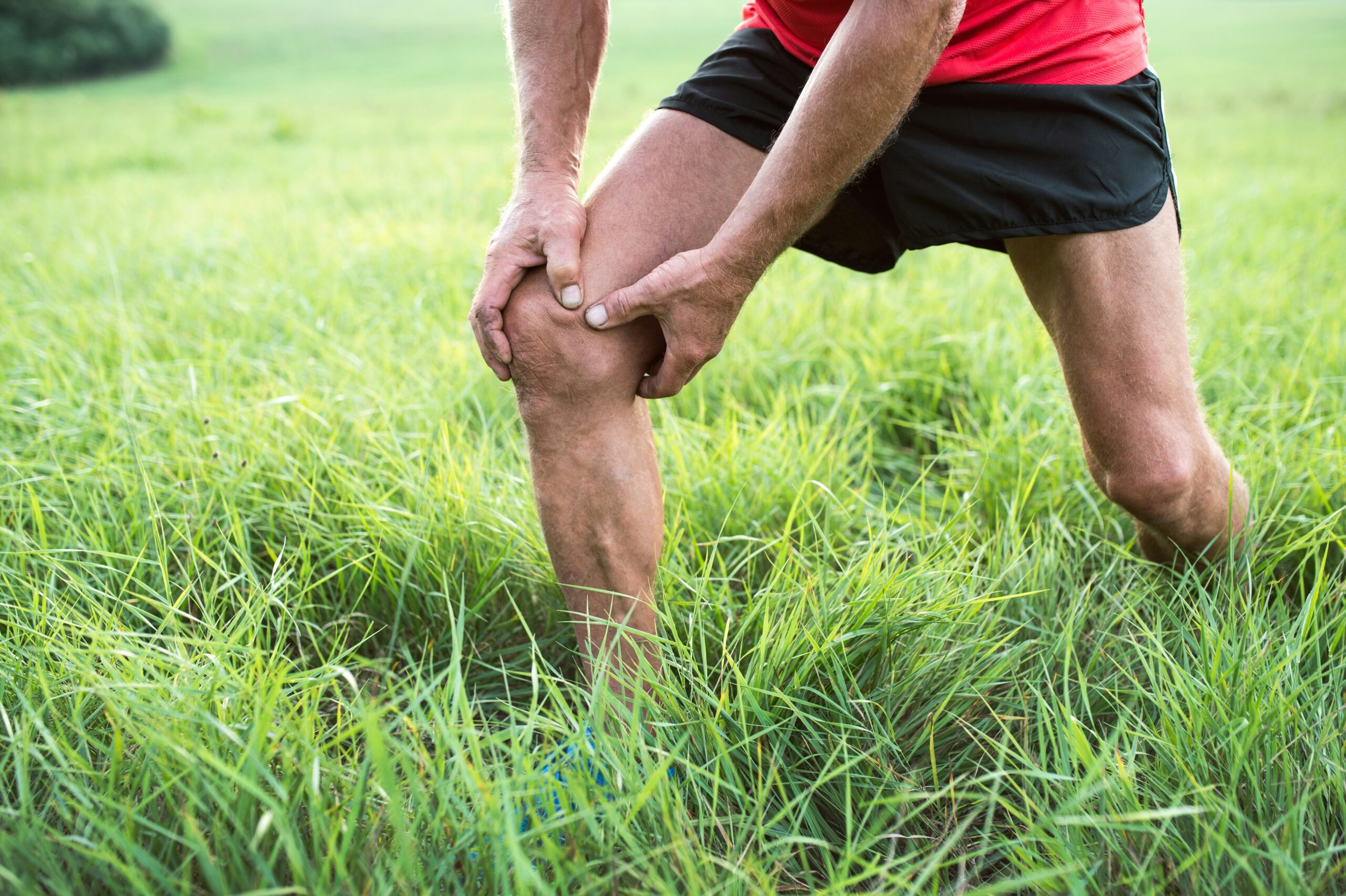
Recurring pain affects athletes at every level. Whether you’re training daily or competing professionally, discomfort that comes back again and again can reduce performance and threaten long-term health. While conventional treatments offer temporary relief, natural methods often provide more sustainable and holistic solutions. Understanding the source of this pain is the first step in addressing it.
Most recurring pain stems from muscle imbalances, overuse, improper recovery, or old injuries that have never fully healed. Over time, these issues create tension patterns, limit mobility, and trigger inflammation. If left untreated, the cycle continues and worsens. Fortunately, with natural practices that focus on the whole body, athletes can break this cycle and return to peak performance.
Why Natural Methods Work Best for Long-Term Relief
Natural approaches encourage the body’s own healing processes. Rather than masking the symptoms, they identify and resolve the underlying causes of pain. This empowers athletes to regain control over their recovery without depending on medication or invasive treatments.
Techniques such as myofascial release, active stretching, nutrition-based healing, and mindful movement retrain the body and improve function. These methods reduce inflammation, promote circulation, and facilitate efficient tissue repair. They are not quick fixes, but with consistency, they provide lasting results that support long-term athletic performance.
Nutrition’s Role in Pain-Free Performance
The food you consume either fuels recovery or feeds inflammation. Processed foods, excess sugar, and artificial additives create an internal environment that encourages swelling and pain. On the other hand, whole foods rich in anti-inflammatory properties support healing from the inside out.
Athletes should prioritize foods packed with omega-3 fats, antioxidants, and clean protein. Hydration also plays a vital role. Without enough water, joints become stiff, and muscles cramp more easily, increasing the likelihood of recurring pain. When athletes make these dietary changes, they often notice quicker recovery and reduced discomfort during training.
Mobility Training to Prevent Injury and Recurrence
Mobility is more than flexibility. It’s about how well your joints move through their range of motion while under control. A tight hip or an immobile shoulder can strain surrounding muscles, eventually leading to injury. Improving mobility helps prevent compensation patterns and makes movements more efficient.
Dynamic stretches, yoga, and controlled bodyweight exercises target mobility while also building strength and control. By practicing these movements regularly, athletes not only reduce the chance of reinjury but also increase their ability to move powerfully and fluidly.
The Importance of Recovery Routines
Hard training without proper recovery is one of the leading causes of recurring pain. Recovery is when the body repairs micro-tears in muscle tissue, reduces inflammation, and rebuilds strength. Without allowing enough time or using the right recovery strategies, minor aches turn into persistent pain.
Natural recovery techniques like contrast showers, magnesium baths, foam rolling, and breathwork help the body reset and prepare for the next session. Sleep is another powerful tool. Athletes should aim for consistent, deep rest to promote hormone balance, tissue repair, and mental clarity. Making recovery a priority rather than an afterthought is a significant key to pain-free training.
Rebuilding Body Awareness Through Mindful Movement
When pain becomes recurring, many athletes lose trust in their bodies. They begin to fear movement or push through pain in silence. Both responses disconnect athletes from body awareness, which is essential for healing. Mindful movement brings awareness back into play.
Practices like tai chi, slow-flow yoga, or walking meditations reconnect the mind with physical sensations. This helps identify which movements trigger pain, which bring relief, and where the imbalance lies. The more attuned athletes become to these signals, the more they can adjust and prevent recurring issues.
The Power of Breath and Nervous System Regulation
Pain is not only physical—it’s also neurological. When the nervous system is constantly stressed, healing slows and inflammation increases. Breathwork helps reset the nervous system by shifting from a fight-or-flight state into one of rest and repair.
Techniques such as diaphragmatic breathing, box breathing, or alternate nostril breathing promote calm, reduce cortisol levels, and support the immune system. Regular breathwork sessions create a calmer baseline, allowing the body to respond to stress and pain more effectively. Athletes who incorporate this into their routine often report reduced pain sensitivity and improved focus during performance.
Creating a Sustainable Pain-Free Lifestyle
Natural healing isn’t just about techniques. It’s a lifestyle. That means consistency, self-awareness, and thoughtful decision-making. Athletes need to embrace daily habits that prioritize joint health, muscle balance, mental well-being, and clean fuel. Pain doesn’t disappear overnight, but with the right strategies in place, it becomes manageable—and often, preventable.
This lifestyle includes tuning in regularly, making adjustments as needed, and investing in long-term health over short-term gains. The more consistent athletes become with their routines, the more likely they are to stay pain-free and continue enjoying their sport for years to come.
Working With Holistic Professionals
Sometimes, resolving recurring pain requires professional guidance. Rather than seeking only symptom-focused care, athletes can work with holistic practitioners such as physical therapists trained in natural methods, functional movement coaches, or bodyworkers specializing in sports recovery.
These professionals assess posture, movement patterns, tissue quality, and emotional stress. Then they create tailored plans that fit the athlete’s sport, goals, and lifestyle. Collaboration allows athletes to make steady progress and break the recurring pain cycle for good.
Trusting the Process and Staying Consistent
Healing takes time, especially when dealing with pain that has lingered for months or even years. It’s tempting to skip steps or search for instant relief, but natural healing honors the body’s rhythm. Athletes who stick with the process find that pain becomes less frequent, less intense, and eventually, a thing of the past.
Trust in the body is essential. Every step taken—every breath, every stretch, every meal—plays a part in the recovery journey. With dedication and the right natural strategies, ending recurring pain is not just possible; it becomes the new standard for thriving as an athlete.