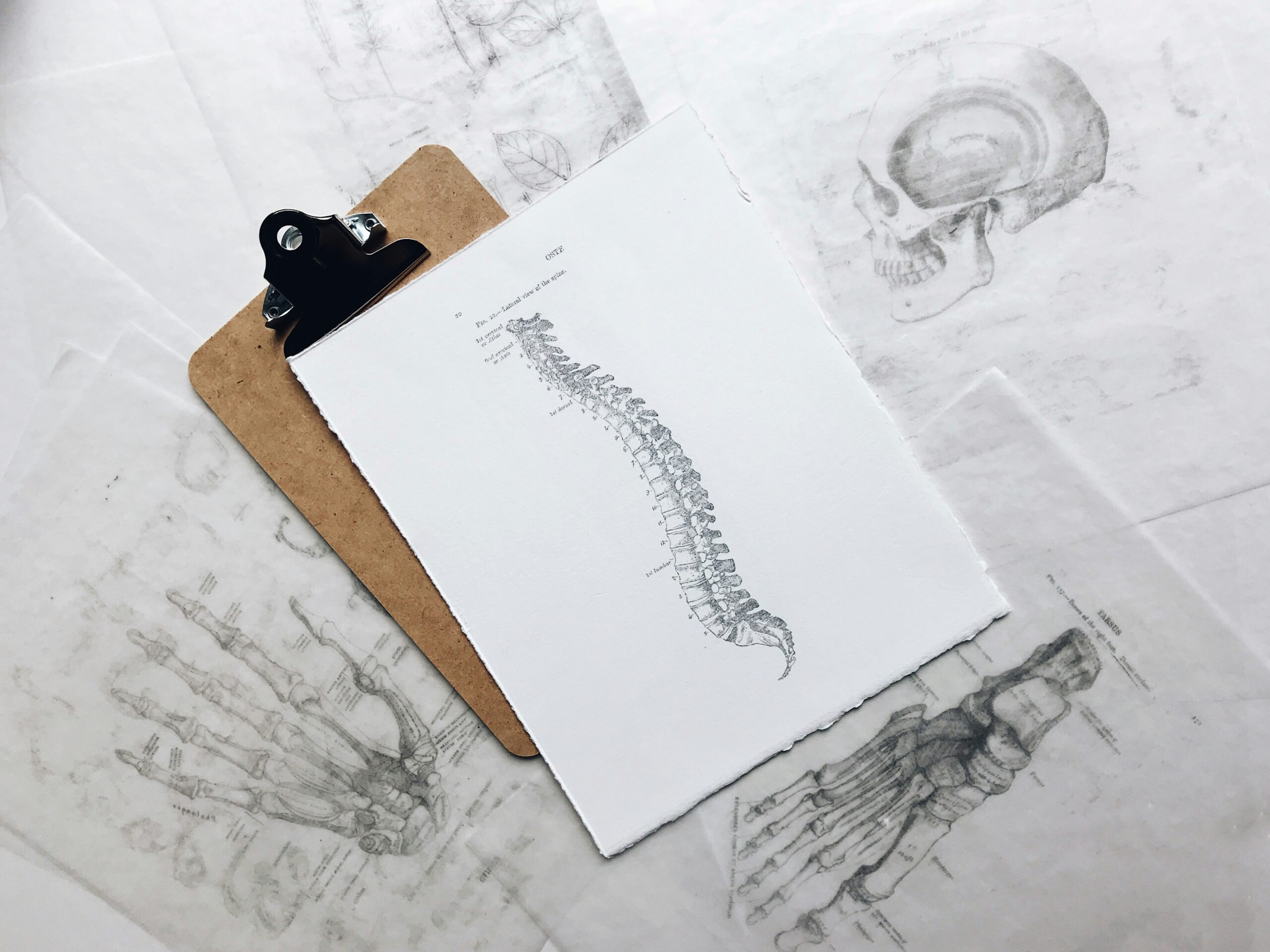
Healing methods have changed over time, yet many basic ideas remain the same. Ancient healers believed the body worked as one connected system. They focused on balance, movement, rest, food, and the body’s natural ability to recover. Today, ancient healing principles continue to influence how many chiropractors care for their patients. Modern chiropractic care uses current research, detailed exams, and hands-on techniques to support joint and muscle health. It also shares the older belief that pain may be linked to more than one part of the body. A stiff spine can affect movement, sleep, posture, and daily comfort. Stress can also cause muscles to tighten and make pain feel worse. For this reason, many chiropractors look at the full health picture instead of treating one sore area. This combined approach connects traditional wisdom with safe and practical methods used today.
The Ancient View of Balance in the Body
Many ancient healing systems were built around the idea of balance. Healers believed health could suffer when the body, mind, and daily habits fell out of harmony. They paid close attention to posture, breathing, movement, sleep, and emotional stress. These factors were seen as parts of one larger health system. Modern chiropractors often follow a similar line of thought during a patient exam. They may study how a person stands, walks, bends, sits, and performs common tasks. They may also ask about work habits, exercise, past injuries, and sleep quality. This information can help reveal why pain keeps returning. For example, a sore neck may be linked to poor desk posture or long hours of phone use. Lower back pain may be tied to weak muscles, limited hip movement, or poor lifting form. By looking for patterns, the chiropractor can create a plan that supports better balance across the body.
Movement as a Natural Part of Healing
Ancient cultures understood that regular movement helped the body stay strong and flexible. Walking, stretching, breathing exercises, and gentle physical practices were often used to support health. Long periods of stillness were viewed as harmful because they could lead to weakness and stiffness. Modern health science also shows that safe movement plays an important role in joint and muscle care. Chiropractors may use adjustments, guided stretches, and simple exercises to improve how the body moves. These methods can help reduce stiffness and support a wider range of motion. Patients may also receive advice about taking movement breaks during the workday. A person with back discomfort may be shown how to stand, sit, and lift with less strain. The goal is not to push the body too hard or too fast. The goal is to restore steady movement in a controlled way. When movement becomes easier, many daily tasks can also feel more comfortable.
Hands-On Care Guided by Modern Knowledge
Touch has been part of healing for thousands of years. Ancient caregivers used massage, pressure, stretching, and joint movement to ease discomfort. Modern chiropractors still use hands-on care, but their work is supported by detailed training and health screening. Before providing treatment, a chiropractor reviews the patient’s symptoms and medical history. A physical exam may also be used to check strength, reflexes, posture, and joint motion. In some cases, imaging or a medical referral may be needed before care begins. This careful process helps the provider decide which methods are suitable for the patient. Chiropractic adjustments are often used to improve joint motion and reduce physical strain. Soft tissue methods may also be used for tight or tender muscles. This form of holistic chiropractic treatment does not depend on one technique alone. It may combine hands-on care with exercise, posture support, and healthy daily habits. Each part of the plan should match the patient’s condition, comfort, and goals.
The Connection Between Stress and Physical Pain
Ancient healers often believed that emotional strain could affect physical health. Modern research and clinical experience support this close link between stress and the body. Stress can cause the shoulders, jaw, neck, and back muscles to stay tense for long periods. It may also disturb sleep and lower a person’s ability to handle discomfort. Poor sleep can then increase tiredness, stiffness, and sensitivity to pain. Chiropractors may ask about stress when trying to understand repeated muscle or joint problems. They may suggest calm breathing, light activity, better sleep habits, or short breaks during demanding tasks. Some offices also combine chiropractic care with massage or guided relaxation services. These tools are not meant to replace needed medical or mental health care. They are used to support the physical side of stress management. When patients learn to notice tension early, they may be able to prevent it from building. A calmer nervous system can also make movement and recovery feel more manageable.
Building Health Through Daily Habits and Prevention
Ancient healing traditions placed great value on prevention. People were encouraged to protect their health before pain or illness became severe. Modern chiropractic care also gives strong attention to daily choices that affect the spine, muscles, and joints. A chiropractor may teach a patient how to set up a desk, choose a better sleeping position, or lift heavy items safely. Simple strength and mobility exercises may be added to support weak or tight areas. Patients may also be advised to remain active within safe limits instead of avoiding all movement. Water, balanced meals, rest, and steady physical activity can support the body during recovery. These habits often work best when they are simple enough to follow each day. Small changes can reduce repeated strain and help treatment results last longer. The blend of traditional ideas and modern care encourages patients to take an active role in their health. Through natural spine wellness, people can build better movement, reduce avoidable stress, and support long-term physical comfort.