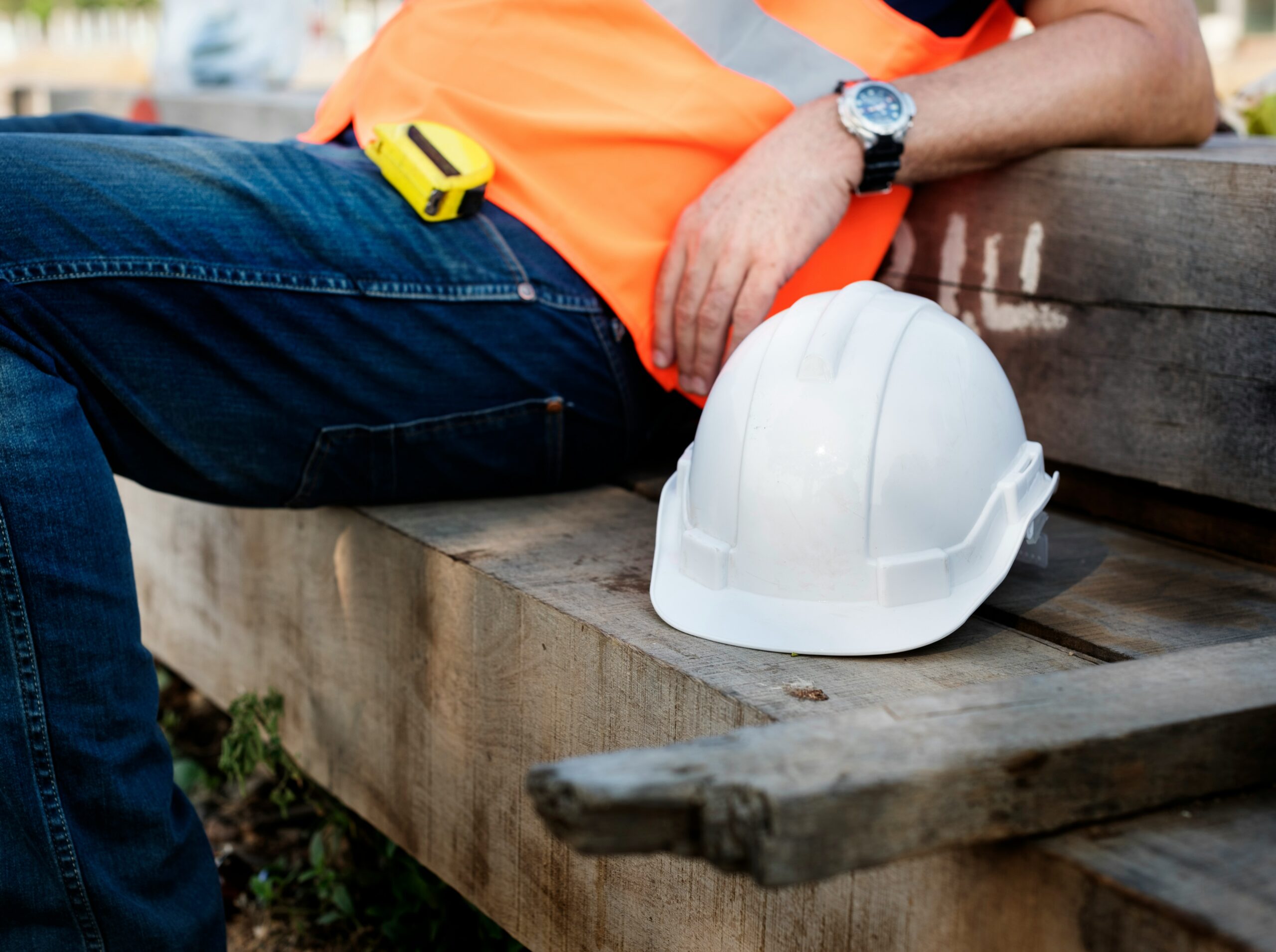
Construction workers perform physically demanding tasks every day. They lift heavy materials, climb ladders, operate machinery, and work on uneven surfaces. Due to the intense demands of the job, construction workers face a higher risk of injury than many other professions. Although standard medical treatment may address general injuries, construction workers often require specialized injury treatment that focuses on the unique stresses of their occupation.
Specialized care not only helps workers recover properly, but it also prepares them to return to work safely. When treatment aligns with the physical requirements of construction work, workers experience better long-term outcomes. Therefore, targeted medical care plays a vital role in protecting both the health and careers of construction professionals.
The High Risk Nature of Construction Work
Construction sites present a wide range of hazards. Workers frequently operate heavy equipment, handle power tools, and move large materials. In addition, they work in environments that involve heights, unstable surfaces, and constant physical exertion.
Because of these conditions, injuries occur more frequently in construction than in many other industries. Workers may experience falls, repetitive strain injuries, muscle tears, joint damage, or fractures. Furthermore, sudden accidents, such as equipment malfunctions or falling objects, can cause serious trauma.
As a result, medical providers must understand the physical demands of construction jobs when treating injured workers. General treatment may relieve pain temporarily. However, specialized injury treatment focuses on restoring the strength, mobility, and endurance required for construction work.
Understanding the Physical Demands of the Job
Construction workers rely on strength, balance, coordination, and stamina. Many tasks require lifting heavy loads, bending repeatedly, or maintaining awkward positions for extended periods. These movements place significant stress on muscles, joints, and connective tissues.
When an injury occurs, recovery must address these specific physical demands. For instance, a worker with a shoulder injury cannot safely return to lifting materials unless treatment restores the full range of motion and strength. Similarly, a knee injury requires careful rehabilitation because climbing stairs, ladders, and scaffolding places constant pressure on the joint.
Therefore, specialized treatment programs often include functional rehabilitation. These programs focus on rebuilding the job-related skills workers need. As a result, workers regain confidence and stability before returning to their duties.
Common Construction Injuries That Require Specialized Care
Construction workers experience a variety of injuries that often demand targeted treatment. Back injuries remain one of the most common problems. Heavy lifting and repetitive movements frequently strain the lower back. Without proper rehabilitation, these injuries may become chronic conditions that limit a worker’s ability to perform physical tasks.
Joint injuries also appear frequently on construction sites. Knees, shoulders, and wrists endure significant pressure during lifting, climbing, and tool use. If treatment does not restore proper function, these joints remain vulnerable to reinjury.
In addition, workers sometimes suffer from repetitive strain injuries. Repeated motions such as hammering, drilling, or carrying materials can cause tendon inflammation and muscle fatigue. Specialized therapy focuses on strengthening affected areas while correcting movement patterns that contribute to the injury.
Through targeted rehabilitation, healthcare providers address the root causes of these injuries rather than only managing symptoms.
The Role of Occupational Specialists
Healthcare professionals who specialize in occupational injuries understand how different jobs affect the body. Because they recognize the demands of construction work, they design treatment plans that reflect real workplace conditions.
For example, occupational therapists often evaluate how workers perform tasks such as lifting, climbing, and carrying equipment. Based on these observations, they develop exercises that rebuild the necessary strength and coordination.
Physical therapists also play a critical role in recovery. They guide workers through structured rehabilitation programs that gradually restore mobility and endurance. Moreover, therapists teach safe movement techniques that help prevent future injuries.
Because of this specialized guidance, construction workers receive care that aligns with the realities of their daily work.
Preventing Long-Term Complications
Untreated or poorly treated injuries often lead to long-term complications. Workers may experience chronic pain, reduced mobility, or recurring injuries that interfere with their ability to work. These conditions can significantly impact both income and quality of life.
Specialized injury treatment focuses on preventing these long-term problems. Instead of addressing only immediate symptoms, healthcare providers evaluate how the injury affects the entire musculoskeletal system.
For example, a back injury may cause a worker to change posture or movement patterns. Over time, these adjustments can strain other areas of the body. However, specialized rehabilitation corrects these imbalances before they create additional injuries.
As a result, workers recover more completely and reduce the risk of future complications.
Supporting a Safe Return to Work
Returning to work too quickly can worsen an injury. Construction jobs require physical readiness, so workers must regain full function before resuming demanding tasks. Specialized treatment programs help determine when a worker can safely return to the job site.
Many rehabilitation programs include work simulation exercises. These exercises mimic real construction activities such as lifting, pushing, pulling, and climbing. Through these simulations, therapists evaluate whether the worker can perform tasks safely.
If limitations remain, therapists adjust the rehabilitation plan to address those weaknesses. Consequently, workers return to their jobs with improved strength and confidence.
Employers also benefit from this approach. Workers who complete proper rehabilitation experience fewer reinjuries and maintain higher productivity.
Improving Overall Worker Health
Specialized injury treatment does more than address immediate injuries. It also promotes overall physical health for construction workers. Through rehabilitation programs, workers learn techniques that support long-term injury prevention.
For example, therapists often teach proper lifting mechanics and posture control. These techniques reduce strain on the back and joints during daily tasks. In addition, strengthening exercises help stabilize key muscle groups that protect vulnerable areas of the body.
Furthermore, specialized care encourages workers to remain proactive about their health. When workers understand how to protect their bodies, they can maintain stronger physical performance throughout their careers.
Therefore, injury treatment becomes part of a broader strategy for long-term workplace health.
The Importance of Early and Specialized Treatment
Early treatment significantly improves recovery outcomes. When workers receive specialized care soon after an injury, healthcare providers can address the problem before it worsens. Immediate intervention reduces inflammation, restores mobility, and prevents compensatory movement patterns.
Additionally, early rehabilitation helps workers maintain strength in surrounding muscles. This support prevents the body from weakening during recovery. As a result, workers often return to work more quickly and with fewer complications.
Because construction work places continuous physical demands on the body, timely and specialized treatment remains essential.
Building a Stronger Recovery Path
Construction workers play a vital role in building infrastructure and supporting communities. However, the physical nature of their work exposes them to frequent injuries. For this reason, specialized injury treatment remains critical for effective recovery.
Targeted rehabilitation addresses the unique physical challenges that construction workers face each day. It restores strength, improves mobility, and prepares workers to handle demanding tasks safely. Furthermore, specialized care prevents long-term complications and supports a healthier workforce.
When injured construction workers receive treatment tailored to their occupational needs, they recover more completely and return to work with greater confidence. Ultimately, specialized injury treatment protects both workers’ well-being and the stability of the construction industry.